Quotes written at 10pm
Scoping a four zone project from photos and memory takes two to three evenings per proposal. That is unpaid labor after a full day on your knees in a garage.
6 unbilled hours per jobScoping software for home organizers
Measure the pantry, count the linear feet of closet rod, and TidyBlueprint builds the hours, the container list and the crew days into one plan your client can sign before you pull out of the driveway. No more three evenings of guessing at the kitchen table.

Where the money leaks
You walked four rooms, took thirty photos and made two pages of notes. Then the quote sat in your drafts for five days while a competitor sent hers on Tuesday.
Scoping a four zone project from photos and memory takes two to three evenings per proposal. That is unpaid labor after a full day on your knees in a garage.
6 unbilled hours per jobYou size bins on site, then rebuild the whole list in a spreadsheet, then rebuild it again when the client swaps woven for acrylic. Every rebuild invites a costly ordering error.
$180 average reorderA master closet you called ten hours runs sixteen because nobody counted the shoe inventory. The overage comes straight out of your margin or out of the client relationship.
22% of jobs run longDecluttering momentum is emotional and it fades fast. A proposal that lands a week after the walkthrough converts far worse than one signed at the kitchen island.
1 in 3 quotes goes quietHow it works
The whole flow is built to be finished on a phone while you stand in the room you are pricing.
Tap to add a zone for every space you will touch: reach in closet, pantry, mudroom lockers, garage bay, playroom. Each zone holds its own measurements, photos and difficulty rating, so a hoarded basement never gets priced like a linen closet.
Enter linear feet, shelf count and category volume. TidyBlueprint returns labor hours, a sort and purge allowance, and a container list drawn from your own catalog with real retail prices and sizes.
Zones roll into a single proposal with a per zone price, a product budget and a session calendar. Show it on your tablet, adjust a zone out or in while she watches, and collect the signature on the spot.
Approved zones become dated sessions with assigned organizers and hour targets. Before and after photos attach to the zone they belong to, so your portfolio builds itself as you work.
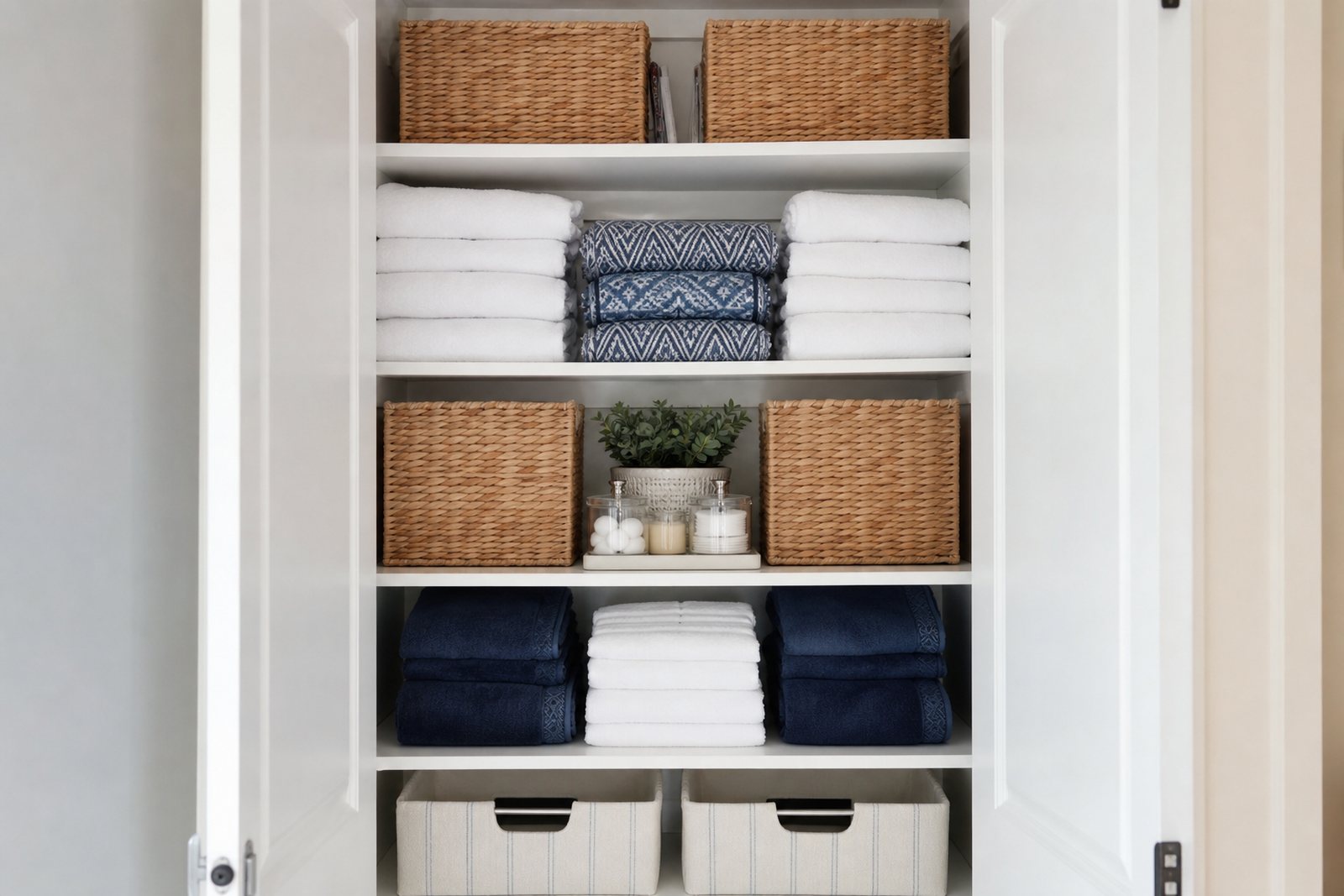
Inside a zone record
A zone is the unit of work in this trade. TidyBlueprint keeps one record per zone from the first walkthrough to the final photo.
Shelf depth, rod length, drawer count, floor footprint and ceiling height. The container engine reads these before it suggests a single bin.
Entered once, on siteA one to five scale for volume, sentiment and access. A five means paperwork, inherited boxes and a client who needs to touch every item.
Adjusts labor hoursPantry goods, linens, seasonal decor, tools, kid gear, files. Categories drive the sort plan and tell you which zones need a donation run.
Feeds the sort allowanceEvery container with its size, source, unit cost and your markup, totaled into a product budget the client approves separately from labor.
Client approves the budgetDates, organizers assigned and the hour target for each visit, plus the note about the dog, the alarm code holder and the parking.
Sent to the crew nightlyPaired photographs, the labels you printed and the final count of items rehomed, donated or sold. The record closes the zone out.
Becomes your portfolioFit
If that is you, say so on the call and we will tell you plainly rather than sell you a seat.
What is inside
Every tool here exists because an organizer asked for it after losing an afternoon to a spreadsheet.
Break a home into as many zones as it needs and price each one on its own measurements and clutter level. Totals roll up live, so removing the guest room from the plan reprices the job instantly.
Load the bins, baskets, risers and drawer inserts you actually buy, with dimensions, sources and your markup. The estimator only ever suggests products you can put your hands on this week.
Each finished session feeds actual hours back into the model for that zone type. After a dozen jobs your pantry estimate is built on your crew's real pace, not an industry average.
Assign organizers to dated sessions with an hour target and a zone list, and see who is overbooked before you promise a client a Thursday. Everyone gets the day sheet on their phone the night before.
Photos attach to the zone and the session, paired automatically into a side by side record. Export a clean set for the client handoff or for the portfolio page, with faces and mail cropped out.
The plan sends as a branded page with per zone pricing, the product budget and the session calendar. Your client signs and pays the deposit in the same view, and the job moves to scheduled.
What changes
These are medians from 118 businesses that logged at least twenty projects in TidyBlueprint between January and June 2026.
Because the plan is presented and signed during the consult, while the client is still standing in the room she wants back.
Measurements entered once become hours, products and a calendar. Nothing is retyped into a second document.
The container list is sized from real shelf dimensions, so fewer bins come home in the back of the car unopened.
Hour models trained on your crew's own logged time keep the day sheet honest and the invoice free of surprises.
From the trade
I priced a full garage, a mudroom and two closets in ninety minutes and she signed on the tailgate. My old process was photos, a spreadsheet and a Thursday night I never got back.
The container list is what sold my team. It sizes bins off the shelf depth we actually measured, so we quit buying nine inch baskets for eleven inch shelves and eating the difference.
Running four organizers used to mean four group texts a day. Now they open the session, see the zones and the hour target, and I only hear from them when something real comes up.
Pricing
No commission on the jobs you win and no charge per proposal. Pick the plan that matches how many organizers you send into homes.
$29 per month
For the organizer who runs every consult herself and hires help by the day.
$69 per month
For a lead organizer with a crew of two to five working several homes a week.
$139 per month
For a company running multiple crews, subcontractors and a sales lead.
Every plan is billed monthly in US dollars and can be cancelled at any time from your account settings. There is no annual contract, no setup fee and no charge tied to the value of the projects you quote.
Questions
The monthly rate is the whole cost of the software. Solo Organizer is $29 per month, Small Team is $69 per month and Organizing Company is $139 per month, all in US dollars. We take no percentage of your project value, no fee per proposal and no fee per zone. Deposits your clients pay through a proposal settle to your own payment processor, and we do not touch that money.
Most organizers are quoting live in one afternoon. You set your hourly rate, your crew rate and your product markup, then either import a container list from a spreadsheet or start from our stocked catalog of common bins, baskets, risers and inserts and edit from there. If you send us your current price sheet before your onboarding call we will have it loaded when you sit down. Small Team and Organizing Company plans include a working session where we scope one of your real past projects together.
Only the seats on your account, and only for the projects you assign them to. Photos of a client's home are some of the most sensitive material in this trade, so they are stored encrypted, never used to train anything, and never shown in any marketing without a written release from you. You can delete a project and its images permanently at any time, and the deletion runs through backups within thirty days. If a client asks for a full record of what you hold, you can export her project in one file.
Sessions push to Google Calendar and Apple Calendar so your crew sees the day in the calendar they already open. Signed proposals and deposits connect to Stripe or Square, whichever you use today. Invoices export to QuickBooks Online and to a plain CSV for your bookkeeper. There is also a documented API on the Organizing Company plan if you want project data in your own reporting.
You cancel in your account settings and the plan stops at the end of the month you already paid for. There is no cancellation fee and no phone call to sit through. Your account stays readable for ninety days so you can pull project records, photo sets and past proposals, and you can reopen it later with everything intact. Many organizers pause over the holidays and come back in January.
The estimator proposes, you decide. Every hour figure and every product line stays editable, and a difficulty rating on each zone lets you say plainly that this basement holds four decades of paperwork. Over time the model retrains on your own logged hours, so it converges on your pace rather than a national average. Organizers tell us they override about one line in ten after the first month, mostly for sentimental sorting they can read in a room and no software can.
The Zone Plan
Pricing, scoping, product sourcing and install craft, written for the woman who runs the business and walks the house. Three recent pieces from The Zone Plan.
numbers and benchmarks
Hourly, per zone, or flat project fee: how organizers actually structure pantry pricing, what product costs do to the number, and how to build a rate you can defend at the consult.
regulation and compliance
Donation runs and haul-away are a quiet liability. What commercial auto coverage, waste hauler rules, and donation receipt practice mean for a solo organizer moving client goods.
comparison
Zone scoping gives the client a signed plan and gives you a schedule you can staff. Hourly protects you from surprises. Here is how the two models compare on real whole home jobs.
Book a walkthrough
Thirty minutes, screen shared, using a real past job of yours. You will see the hour model, the container list and the signable plan built from your own measurements, and you will know within the first ten minutes whether this fits how you work.
Prefer to write first? Reach the team at jimenezjulien42@gmail.com.
We reply within one business day, from a real person who has read your note. If email suits you better, send your project notes straight to jimenezjulien42@gmail.com.